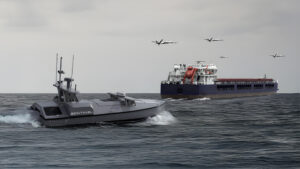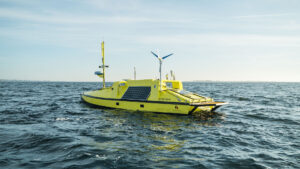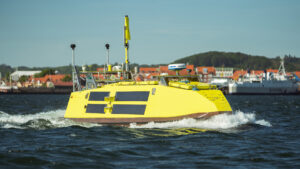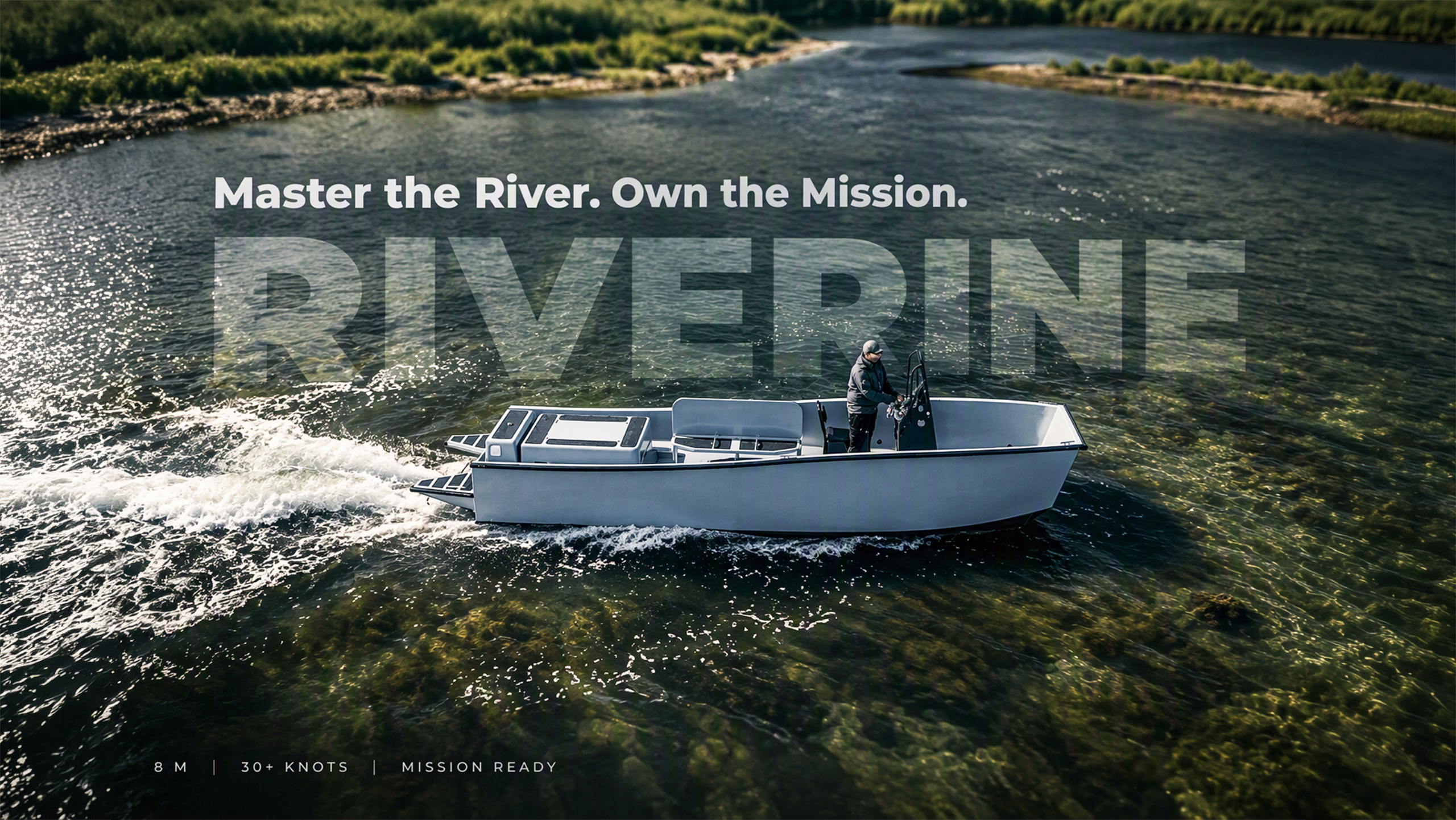
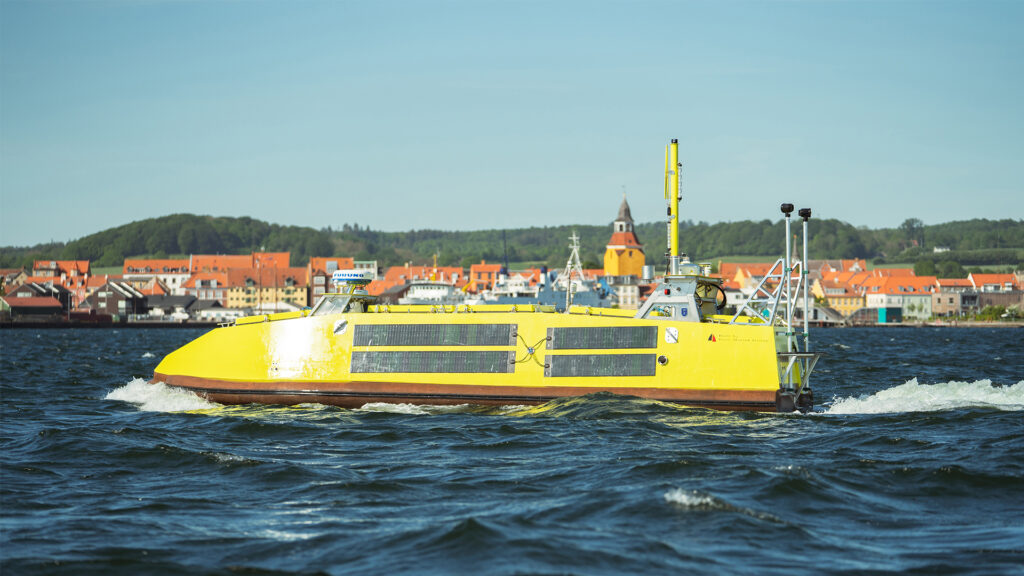
Maritime Situational Awareness (MSA) is the foundation of maritime security and operational effectiveness. Without accurate, timely information, even the most capable naval force risks making decisions in the dark. Unmanned Surface Vessels (USVs) are revolutionising MSA by acting as persistent, intelligent, and interoperable assets that strengthen the Common Operational Picture (COP) and enable seamless collaboration across domains.
From Local View to Common Operational Picture (COP)
A COP is a unified, real-time visualisation of the maritime environment, compiled from multiple sources: surface, subsurface, aerial, and space-based sensors. USVs enhance the COP by supplying continuous, high-quality data streams from their advanced radar, EO/IR cameras, AIS receivers, sonar, and environmental monitoring systems.
This constant data feed ensures that the COP is both comprehensive and current. For example, USVs can operate beyond the range of shore-based radar to fill critical coverage gaps in EEZs, straits, or remote offshore regions. The result is a live, accurate picture of maritime activity that allows navies, coast guards, and allied partners to respond rapidly and in coordination.
USVs as Interoperable Maritime Autonomous Systems (MAS)
Modern naval strategy increasingly relies on Maritime Autonomous Systems (MAS)—integrated networks of unmanned and manned platforms working together. Within this framework, USVs often collaborate with:
– Unmanned Underwater Vehicles (UUVs) to monitor subsurface threats and infrastructure
– Unmanned Aerial Vehicles (UAVs) to extend sensor coverage and provide rapid overwatch
– Manned vessels and aircraft to conduct intercepts, boarding operations, or other high-value missions
By linking USVs into MAS, commanders gain layered surveillance from seabed to airspace. A USV can detect an unknown contact, cue a UAV to investigate from above, and share findings instantly with both a nearby frigate and a shore-based maritime operation center.
Operational Advantages of USV-Enhanced MSA
- Persistent Coverage: Long-endurance USVs can patrol designated sectors for days or weeks without downtime.
- Scalable Deployment: Fleets of USVs can be rapidly deployed to expand surveillance or focus on a specific hotspot.
- Risk Reduction: Operating unmanned platforms in contested waters reduces exposure for human crews.
- Real-Time Intelligence: Continuous data feeds shorten the decision-making loop from detection to action.
- Allied Interoperability: Standardised data formats and communications protocols enable integration into NATO and coalition COP systems.
Beyond Surveillance – Data Fusion and Decision Superiority
The power of USVs in MSA is not just in collecting data, but in contributing to advanced data fusion. When USV sensor inputs are combined with satellite imagery, coastal radar, and other unmanned platforms, they help eliminate blind spots and reduce false positives. This gives commanders the confidence to act decisively.
For NATO and allied forces, the integration of USVs into the COP supports joint operations, shared situational awareness, and faster, coordinated responses to emerging threats—from illegal fishing fleets to grey-zone incursions.
Conclusion
USVs are more than just sensors at sea; they are integral to a connected, multi-domain surveillance network. By enhancing MSA, enriching the COP, and integrating seamlessly into MAS, they multiply the effectiveness and reach of modern maritime forces.
→ Interested in exploring how USVs can strengthen your maritime situational awareness?
Contact us at Tuco Marine / ProZero Workboats to learn more about our operationally proven USV platforms.
Tuco Marine has extensive experience in designing USVs, and our vessels have been operating 24/7, year-round, in Danish waters for many years – including the North Sea, where challenging wave and wind conditions put both design and performance to the test.