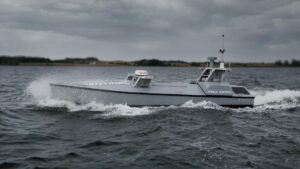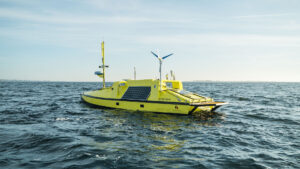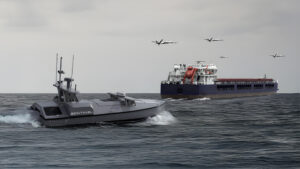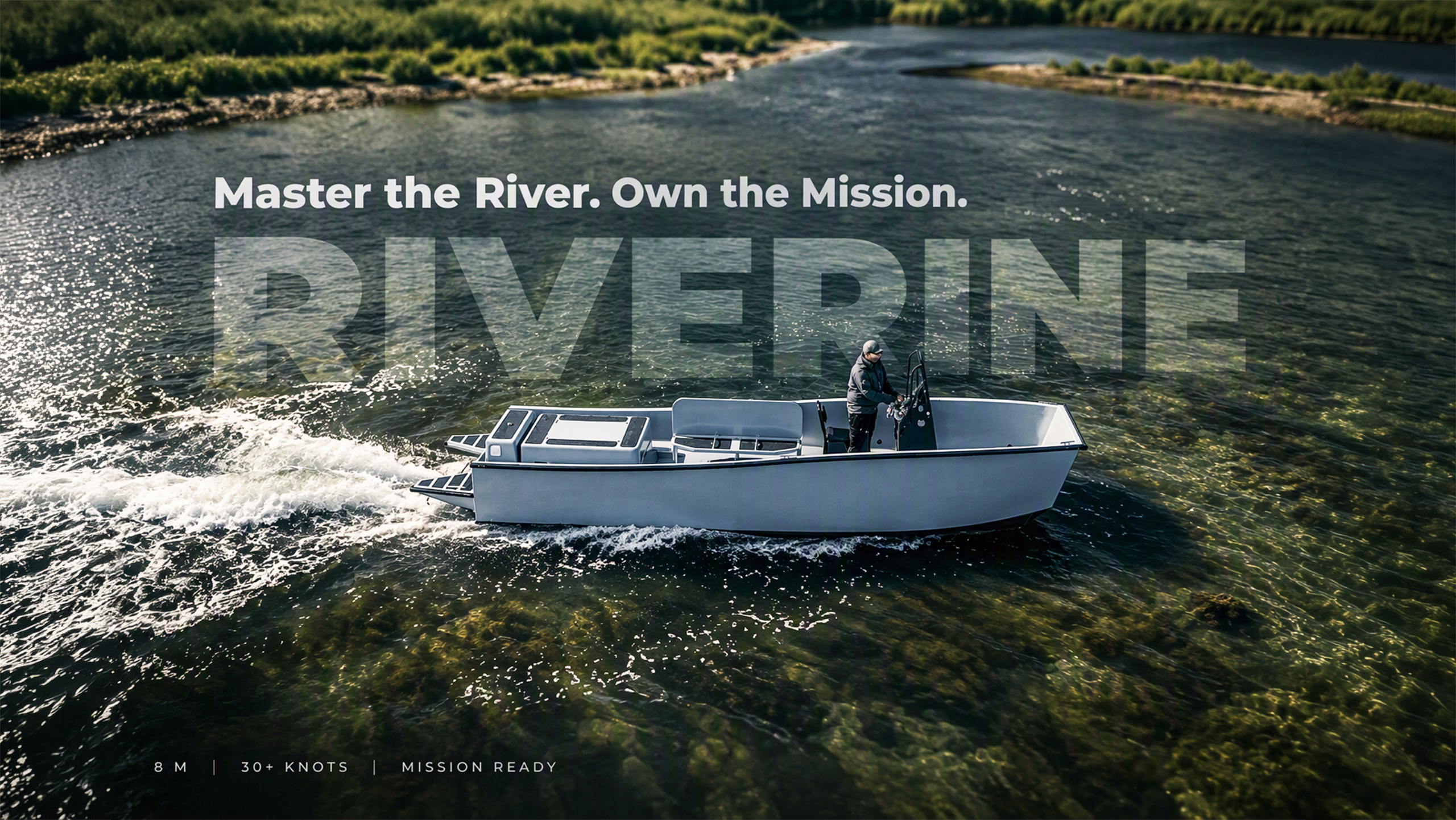
Critical Undersea Infrastructure (CUI)—including subsea pipelines, fibre-optic communication cables, and offshore energy platforms forms the lifelines of modern economies and security frameworks. These assets are increasingly vulnerable to accidental damage, criminal interference, and hybrid threats. The strategic importance of CUI has never been greater, and Unmanned Surface Vessels (USVs) are emerging as key tools in protecting it.
Persistent Patrols and Monitoring
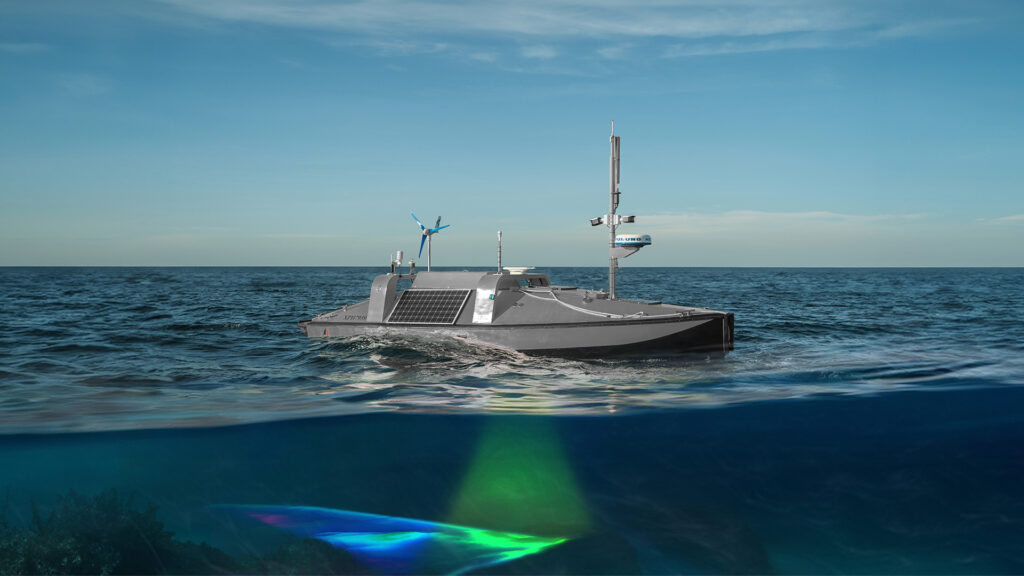
USVs can be deployed to patrol fixed routes above critical infrastructure, operating as autonomous sentinels. Equipped with downward-looking sonar, subsea sensors, and video surveillance, they can detect anomalies such as physical disturbances on the seabed, unauthorised diving activity, or unidentified underwater vehicles. By maintaining 24/7 coverage without fatigue, USVs close a long-standing surveillance gap.
Their ability to remain on station for extended periods means that any suspicious activity can be detected early, assessed in real time, and responded to quickly. This is vital for deterring sabotage or hostile acts before damage is done.
Rapid Incident Response and Damage Assessment
In the event of an incident—whether an equipment failure, anchor strike, or deliberate attack—speed matters. Pre-positioned USVs can be redeployed immediately to the affected area, transmitting live data, imagery, and sonar readings back to command centres. This rapid situational understanding enables faster repair mobilisation and better evidence gathering.
Deterrence Through Visible Presence
Just as manned patrols deter unlawful activity, the constant presence of USVs above or near CUI sends a clear signal that these assets are under watch. This presence complicates planning for any potential adversary and increases the perceived risk of detection.
USVs in Multi-Domain Operations (MDO)
The protection of CUI does not happen in isolation—it is part of broader Multi-Domain Operations (MDO). USVs integrate with unmanned underwater vehicles for subsurface inspection, unmanned aerial vehicles for overhead monitoring, and manned naval units for interdiction or repair support.
In an MDO context, USVs act as surface-based hubs, relaying information between domains and providing a real-time operational link from seabed to maritime operation centers. This integration is aligned with NATO’s vision of a connected “digital ocean,” where layered sensors and platforms across domains share data seamlessly to enable faster, coordinated responses.
Strategic Relevance for NATO and Allies
NATO’s focus on safeguarding undersea infrastructure recognises its strategic and economic importance. The establishment of dedicated centres for CUI security and exercises simulating infrastructure attacks highlight the urgency of this mission. USVs, with their persistence, adaptability, and interoperability, are central to delivering the constant vigilance required.
Conclusion
USVs are redefining how nations protect their most vital maritime assets. By providing persistent patrols, rapid response capability, and seamless integration into multi-domain operations, they deliver both deterrence and defence against an evolving set of threats to CUI.
As the maritime security environment grows more complex, the role of USVs will expand—offering nations and alliances like NATO a critical edge in resilience, readiness, and operational reach.
→ To learn more about how USVs can enhance the protection of your critical undersea infrastructure, contact us at Tuco Marine / ProZero Workboats.
Tuco Marine has extensive experience in designing USVs, and our vessels have been operating 24/7, year-round, in Danish waters for many years – including the North Sea, where challenging wave and wind conditions put both design and performance to the test.